Inside the Panther - Germany's Best Tank, Ruined by Haste
Inside the Panther — arguably the finest tank design of World War II, and a sobering lesson in what happens when a brilliant machine is rushed into battle too soon. With its sloped armor, deadly high-velocity 75mm gun, and excellent mobility, the Panther had everything it needed to dominate the battlefield. Instead, its combat debut became a disaster. In this video we break down the inner workings of the Panther: its armor, its powerful KwK 42 gun, its troubled engine and final drive, and the fatal rush that crippled it before it ever had a chance. What made the Panther such a brilliant design? Why did so many break down before they even reached the enemy at Kursk? And how could a tank this advanced be undone not by Allied guns, but by its own gears? The answers lie inside one of the most legendary machines ever built. ───────────────────────────── 🐆 ABOUT THE PANTHER The Panzerkampfwagen V Panther was Germany's answer to the shock of the Soviet T-34. Designed by MAN and entering production in early 1943, it combined heavily sloped frontal armor, the superb 7.5cm KwK 42 L/70 gun capable of killing enemy tanks at long range, and surprisingly good cross-country mobility. On paper, it was perhaps the best balance of firepower, protection, and mobility of any tank in the war — and it would go on to influence the design of post-war main battle tanks for decades. But Hitler demanded it be ready for the great summer offensive at Kursk, and the Panther was sent into combat before its problems were solved. The results were brutal. Of 184 Panthers operational at the start of the battle on July 5, 1943, only 40 remained running just two days later — most lost not to the enemy, but to engine fires and transmission failures. The weak final drive was the Panther's deepest flaw: its engine and drivetrain had been designed for a lighter tank, and the heavier production model overstressed them. In post-war tests, the final drive often needed replacing after just 150 kilometers. Reliability did improve with the later Ausf. A and G models, and in the right hands the Panther became a feared and effective fighting machine — but its early reputation was forged in failure. This is the story of the Panther: a tank brilliant enough to shape the future of armored warfare, yet rushed so badly that it nearly destroyed itself before the enemy ever could. ───────────────────────────── 🔔 SUBSCRIBE for more inside looks at legendary weapons, tanks, aircraft, and warships — from World War II to the modern battlefield. ───────────────────────────── ⚠️ DISCLAIMER This video is intended solely for historical, technical, and educational purposes. It does not glorify war or any political regime. All animations are reconstructions based on publicly available historical sources. ───────────────────────────── #Panther #PanzerV #GermanTanks #WW2Tanks #MilitaryHistory


Why Germans Never Expected HVAP Rounds to Turn 76mm Shermans into Panther Killers

How the Most Powerful Ancient Warship Actually Worked

Inside U-96 - The Real Submarine Behind Das Boot

Was Matilda II the BEST Tank of WWII?

WORKSHOP WEDNESDAY: Panzer IV vs T-34 Driving Experience!

Inside the Mitsubishi Zero

Why the Soviet T-34 Tank Changed World War II

Inside HMS Prince of Wales - Sunk by a Fatal Flaw

Inside the Churchill - The Tank That Almost Got Cancelled

Inside the T-34 - The Best Tank of WWII, or a Myth?

Why Germans Were Stunned by the M36 Jackson's 90mm Gun Shooting Down Tiger Tanks at 3,000 Yards

Inside German WW2 Jagdpanther Tank Destroyer with Historian James Holland

Panzer III: Versatile Stalwart of The Panzer Force

Why Did German Tanks Have Overlapping Wheels?
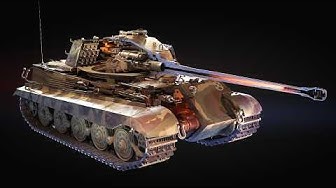
Inside the King Tiger

20 "Outlawed" Trench Weapons Every WWI Doughboy Made by Hand — Banned Forever After 1918

15 Terrifying Discoveries from Nazi Germany Uncovered After World War II!

3 Iconic World War II Tanks

Forget the Tiger: Germany's Cheap Marder Killed Tanks the Panzers Couldn't
