17 Principles of Targeted Therapy
In this video, Dr. Dan introduces the concept of targeted therapies, first by reviewing the biology of cancer and detailing the four gastroesophageal adenocarcinoma molecular subsets of the Cancer Genome Atlas (TCGA): Chromosomal Instability (CIN), Microsatellite Instability (MSI-H), Genomically Stable (GS), and Ebstein Bar Virus (EBV+). Dr. Dan then discusses the two main types of targeted therapies - antibodies and small molecules. He discusses the mechanisms of action of various targeted therapies, highlighting those FDA-approved agents used in gastroesophageal cancer, including trastuzumab, trastuzumab-deruxtecan, and ramucirumab, as well as targeted therapies that are expected to soon be available, zolbetuximab and regorafenib. For online second opinions for patients in or visiting Illinois, please visit: catenacciconsulting.com


18 Principles of Immunotherapy: Part 1 The Immune System

Antineoplastic Agents | Clinical Medicine

The Latest in Immunotherapy to Treat Cancer

Pancreas Cancer: What Patients Need to Know

Why Evolution Split Your Brain In Half – Brain Asymmetry with Jim Al-Khalili
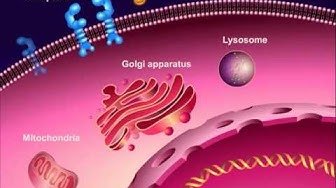
Introduction to Cancer Biology (Part 1): Abnormal Signal Transduction

Curing metastatic solid tumours with immune checkpoint inhibitors by Professor James Larkin

Use These 5 Food Hacks To Heal The Body & STARVE CANCER I Dr. William Li

Deep Insight Into Immuno-Oncology: Immunotherapy Pathways, Targets, and Biomarkers

Cancer Metabolism: From molecules to medicine

The Professor Who Taught People How To Think (1962)

Tumor Immunoprofiling and the Tumor Microenvironment (Immunotherapy Documentary Part II)

Ep 52: Does IVERMECTIN Really Help with Cancer??? | Expert Opinions | Cracking Cancer Podcast

Transfusion Reactions Part 1

Targeted Cancer Therapy: Dr. Ehsan Sarafraz-Yazdi at TEDxConnecticutCollege

Cancer Immunotherapy Basics: Understand the science behind this cutting-edge treatment

Intro to cancer genetics and molecular pathology: Full lecture

25. Cancer 1

CAR-T Cell Therapy: Now and in 2030 | Laboratory Medicine and Pathology in Individualized Medicine
