What Is Turbo ⚡
In automotive engineering, a turbocharger, commonly referred to as a turbo, is a device used to increase an internal combustion engine's efficiency and power output by forcing extra air into the combustion chamber. Think of it as a way to "boost" your car's engine performance, allowing it to act like a larger, more powerful engine, but without the physical size and weight. How a Turbocharger Works: The Simplified Process The entire concept of a turbo can be broken down into five distinct stages that follow the flow of energy: Exhaust Phase: When an engine runs, it produces hot exhaust gases, which are normally pushed out of the tailpipe as waste. Instead of letting this energy go, a turbo uses it. Turbine Spin: The hot exhaust gases are channeled into the turbine housing of the turbocharger. Here, they spin a turbine wheel (similar to a windmill) at incredibly high speeds—up to 200,000 RPM or more. Compressor Stage: This spinning turbine is connected by a solid shaft to a second wheel, called the compressor, located in a separate housing. Because they are connected, when the turbine spins, the compressor spins at the same speed. The compressor draws in ambient, fresh air. Air Compression & Cooling: The spinning compressor forces this fresh air into a dense, high-pressure state. Because compressing air makes it very hot, this hot, pressurized air is usually sent through an "intercooler" (a type of radiator) to be cooled down before entering the engine, making it even denser. Intake Phase: This cool, dense, pressurized air is then forced into the engine’s intake manifold. The engine’s computer, sensing the massive increase in air, injects a proportional amount of extra fuel, resulting in a significantly more powerful explosion within the cylinders, creating "boost.


Unbelievable Smart Worker & Hilarious Fails | Construction Compilation #8 #construction #adamrose

Is Iran Becoming Another 'Forever War'? (w/ John Mearsheimer) | The Chris Hedges Report

Does a Rear Mount Turbo have a Lot of Lag? Remote Mount Turbo Benefits and Drawbacks Explained

Expensive Supercar Fails Caught on Camera

Mix WD40 with Cement and see what billions of people don't know! Clever DIY Tips

What is Twin Turbo ⚡

How the hydraulic lifter works.

Funniest Moments In Football

Finally understand Automatic Transmissions with this video!

We Bought Temu's Craziest Product!!!

Liquid Piston Rotary Engine - Yet Another Engine That Changes Everything?

How Historical Swordfight Really Looked Like

Unbelievable Smart Worker & Hilarious Fails | Construction Compilation #18 #construction #adamrose

Level 1 turbo training

Did It Pay Off? | We Flowed An LS Backwards And It SOUNDS AMAZING

This Is The World’s Maddest Hypercar! | 4K

Mike Brewer Reveals The Truth About What Happened to Wheeler Dealers
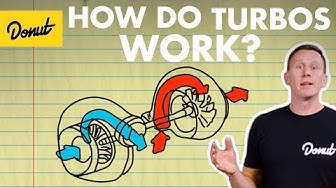
Turbos: How They Work | Science Garage

LinusTechTips Is Losing Thousands of Fans. Why?
