Shadown AI: How to discovery unauthorized AI agents in M365
In this video, I explain in a practical way what Shadow AI is and why this topic is becoming increasingly critical for Security, Compliance, IT, and Microsoft 365 administration teams. We are not only talking about users accessing AI tools through the browser. We are talking about local AI agents that can interact with files, commands, applications, code, browsers, and corporate data — often without approval, governance, or visibility from the organization. Throughout the video, I explain the new Shadow AI experience in the Microsoft 365 Admin Center, how this capability helps detect and block AI agents such as OpenClaw, what the prerequisites are, the required licensing, RBAC permissions, the dependency on Microsoft Intune, and the key precautions before applying policies in a production environment. If you work with Microsoft 365, Intune, Defender, Entra ID, Purview, SOC, Compliance, or AI governance, this video is for you. In this video, we cover: What Shadow AI is The difference between using AI and using AI agents What OpenClaw is How Microsoft is bringing visibility to unmanaged agents Prerequisites and licensing Required RBAC permissions Detection and blocking through the Microsoft 365 Admin Center and Intune Key precautions before applying blocking policies How to prepare an AI governance strategy for the organization The main question is simple: Does your company know which AI agents are running on its endpoints?


Model Context Protocol (MCP) Explained for Beginners: AI Flight Booking Demo!

What AI Agent Skills Are and How They Work

When You Try To Be Microsoft…The Fall Of Salesforce
The Complete Web Development Roadmap
![Master No Code Chatbots With Copilot Studio (Formerly Power Virtual Agents) [Full Course]](https://i.ytimg.com/vi/nYxf8ndIBE0/hqdefault.jpg?sqp=-oaymwEjCNACELwBSFryq4qpAxUIARUAAAAAGAElAADIQj0AgKJDeAE=&rs=AOn4CLCDSuC2zfv72qnTbKu4dkMBDhkYUg)
Master No Code Chatbots With Copilot Studio (Formerly Power Virtual Agents) [Full Course]

Andrej Karpathy: Software Is Changing (Again)

Model Context Protocol (MCP), clearly explained (why it matters)

Frequency Of God 963 Hz ✨ Attract Miracles, Divine Blessings & Deep Inner Peace In Your Life

How SpaceX Humiliated Wall Street

11-06-26 Sukhmani Sahib Full Path | ਸੁਖਮਨੀ ਸਾਹਿਬ ਪਾਠ | Sukhmani Sahib Da Path | Fast Sukhmani
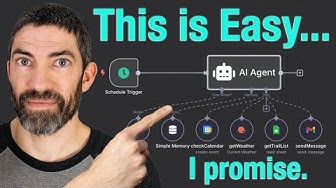
From Zero to Your First AI Agent in 25 Minutes (No Coding)

Agent Registry - Stop shadown Agents

How To Learn Hacking - A Practical Demo

I Hacked This Temu Router. What I Found Should Be Illegal.

Der Todesstern ist völlig absurd

Tuscan Cottage Wildflowers Oil Painting | 4K Vintage Wallpaper Art Screensaver | Vintage Frames

God Says:"STOP HERE — LISTEN AND HEAR ME SPEAK"/God Message Now/God Message

HOLY ROSARY TODAY THURSDAY, JUNE 11, 2026 ST. JUDE THADDEUS & LUMINOUS MYSTERIES | DAILY HOLY ROSARY

New Jellyfish Aquarium • Healing of Stress, Anxiety and Depressive States • Goodbye Insomnia #30
