Gratham Ginger Biscuits
Origins Birthplace: Grantham, Lincolnshire, England. Date: Around 1740. Inventor: A local baker named William Eggleston, who kept a bakery on London Road in Grantham. The story goes that Eggleston was experimenting with gingerbread and accidentally produced a much lighter, paler biscuit than the usual dark treacle-based gingerbreads. The result was so unusual and tasty that it became a local specialty. Distinctive Features Known as “white gingerbread”, because unlike most gingerbreads it does not contain treacle or molasses. It’s crisp and hollow inside, with a delicate crunch, caused by the way the egg and sugar mixture expands during baking. The flavour is sweet and mildly gingery rather than heavily spiced. Popularity By the 18th and 19th centuries, Grantham gingerbreads had become a well-known regional delicacy, sold widely at fairs, markets, and bakeries. They were also shipped to nearby towns and cities, spreading the reputation of Grantham as the “home of gingerbread.” Decline & Revival Like many traditional regional recipes, their popularity declined in the 20th century as mass-produced biscuits became more common. However, local bakeries (notably Hawkens Gingerbread) have helped revive the tradition, and the biscuits are still baked and sold in Grantham today. Fun Fact Grantham is often nicknamed the “Gingerbread Town” because of this unique biscuit. Recipe 250 grams self raising flour 350 grames caster sugar 1 egg beaten 112 grams butter ginger to taste but no more than 3 grams/1 tablespoon. bake at 150c for 40 mins but check them at 30 mins as we don't want them over cooked.


Scottish Shortbread All Butter Just like Walkers!

My Golden Retriever Heals a Terrified Rescue Kitten in Just 3 Meetings!

Storchennest Live Webcam in Bad Salzungen, Thüringen

Welsh Cakes - A Traditional Griddle Cake

People Throw Away Egg Cartons Every Day! Boil Them and Be Shocked 😱 | Creation Invention

11 UK YOGURT Brands You MUST AVOID

When Celebrities Couldn't Handle Harrison Ford's ZERO Filter

They Didn't Like Her Look, But Then She Sang Like a Star! 🤩

How to Make the Absolute Easiest Ever Biscuits

In the kitchen with Carl and the ninja air fryer 10-1 oven Spiced easter biscuits

At 76, Meryl Streep Finally Speaks Up about Robert Redford.

When a Cat Teaches a Baby How to Talk… And It Gets Hilarious 😹👶

The famous Italian lemon cake that melts in your mouth! Simple and delicious

The ultimate cookie recipe - 25 Christmas cookies from 1 dough

How to Make Flaky Biscuits

Stop Frying Eggs! Here’s the 5-Star Hotel Secret to Perfect Poached Eggs! | Top DIY

pepperoni pizza

Don’t Throw Away Old CDs! Boil Them and Be Shocked by the Result! | Creation Invention
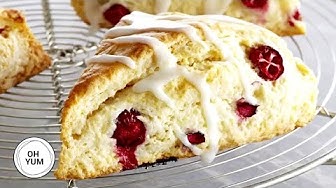
Professional Baker Teaches You How To Make FANCY SCONES!
