The British Tank That Carried The Most Powerful Gun Of The Cold War
January 11th, 1981. The plains north of Dezful in southwestern Iran. The Iranian Army has launched Operation Tariq al-Quds — Path to Jerusalem. Several thousand tanks are involved. The largest single armored engagement since the Second World War is about to begin. At the centre of the Iranian offensive are Chieftains — British-built main battle tanks ordered by the Shah, carrying the most powerful tank gun in the world. The 120mm L11. A weapon no Soviet gun in service can match. Over the next few days, between 140 and 200+ Iranian Chieftains are destroyed or captured. The British tank that on paper should have been superior to the Iraqi T-62s and T-72s is destroyed in numbers that effectively end the offensive. The vehicle was not the problem. The doctrine around it was. This is the Chieftain. Britain's heavy Cold War main battle tank. The successor to the Centurion. The tank that carried the most powerful gun in NATO for 20 years until the M1A1 Abrams arrived. The vehicle Britain planned to use to defeat the Soviet advance into Western Europe that never came. The vehicle Iran did use, in conditions it had not been prepared for, with catastrophic results. This is the full story — why Britain abandoned the Centurion for something heavier, the radical reclining driver position, the 120mm L11 gun that lasted 60 years in British service, the unreliable Leyland L60 multi-fuel engine that haunted the programme, the Shah's massive order, the Iran-Iraq War, Kuwait 1990, Jordan, Oman, and the lessons Dezful taught about how hardware advantages alone don't win wars. Subscribe if this is what you come here for. One second. Costs nothing. CHAPTERS 0:00 — Dezful, January 1981. The biggest tank battle since WWII. 1:30 — Why Britain needed a Centurion replacement 3:00 — The doctrine: armor over mobility 4:30 — The reclining driver and the low silhouette 6:00 — The 120mm L11 — NATO's most powerful gun 7:30 — HESH and APFSDS — the British ammunition system 9:00 — The L60 engine disaster 10:30 — British service in BAOR and the war that never came 12:00 — The Shah orders 707 Chieftains 13:30 — 1979 Revolution. All Western support ends. 14:30 — Iran-Iraq War — eight years of attrition 15:30 — Kuwait 1990, Jordan Khalid, Oman service 16:30 — Why the vehicle was the same and the outcomes were different SOURCES — British Army of the Rhine Chieftain operational records — Iranian Imperial Armed Forces procurement records 1971-1978 — Iran-Iraq War armor loss assessments 1980-1988 — Battle of Dezful operational analysis January 1981 — Royal Ordnance Factory and Leyland Motors Chieftain documentation


Why Germany's Puma Infantry Fighting Vehicle Was a Failure

The 'Oversized' British Gun That Was The Only Allied Weapon Tiger Crews Truly Feared

Villainpedia: Father Comstock | Bioshock Infinite

The Most Overengineered Car Ever Built

The Complete Chieftain Tank

Why German Tankers Called the Typhoon "The Hammer" — And Started Hiding at Dawn

Who Are The Ranger Regiment? Everyone Gets Them Wrong!

is Ukraine's Robot Army Actually Working?

The American Tank That Hunted Nazi Tigers In The Last Days Of WW2

Most Ridiculous Worker Mistakes Caught on Camera

What Stunned German Tankers Inside Captured British Churchill Tanks

The Entire History of IRAN in 35 minutes
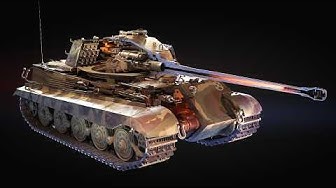
Inside the King Tiger

Glock: The Curtain Rod Maker With Zero Gun Experience Who Humiliated Every Armourer on Earth

Why Argentine Pilots Couldn't Explain How British Sea Harriers Beat Their Mirages

The Deadliest Weapon of the Ancient World

The 20 Most Terrifying Abandoned Nazi Vehicles Ever Discovered!

The 'Tin-Can' British Tank From The Falklands That Now Hunts Russians In Ukraine

The Tank That Fought Five Wars For Five Different Armies
