Inside The RT-23 Molodets Factory: How Soviets Built a Secret Nuke Train
Between 1969 and 1991, Soviet engineers pulled off one of the most ambitious military engineering projects in history. They built a fully operational intercontinental ballistic missile launcher that could travel across 145,000 kilometers of railway track, completely disguised as an ordinary refrigerator freight train. The RT-23 Molodets, known to NATO as the SS-24 Scalpel, was the Soviet Union's answer to American nuclear superiority. Each train carried three missiles armed with ten nuclear warheads each. Thirty warheads hiding in plain sight, passing through cities and villages while nobody knew what rolled past their windows. This video takes you inside the classified factories where these trains were built. We start with raw steel plates at the Lugansk Locomotive Works and follow every step of the manufacturing process. You'll see how workers cut, welded, and assembled the DM62 locomotives that looked identical to thousands of civilian engines but contained hidden military modifications. The real engineering challenge was the launcher car. It had to support a 104-ton missile, house the hydraulic roof mechanism, the pneumatic erector system, and the ZOKS catenary wire diversion device, all while looking exactly like a standard railway refrigerator van from the outside. We cover the factory environments of 1980s Soviet defense industry. The massive assembly halls with twenty-meter ceilings, the yellow overhead cranes, the workers in their dark blue khalats, and the strict quality control that every weld had to pass before military representatives would stamp their approval. The video also examines the RT-23 missile itself. Three solid fuel stages, composite carbon fiber motor casings, and the Pavlograd Mechanical Plant where they mixed the propellant that would carry nuclear warheads across continents. Twelve of these trains were deployed across three strategic divisions. For nearly two decades they patrolled Soviet railways in complete secrecy, representing the most survivable nuclear weapons system ever built. American satellites photographed thousands of trains every day but could never identify which ones carried the end of the world. The last RT-23 Molodets was decommissioned in 2005. Two trains survive today as museum exhibits, silent reminders of Cold War engineering and the lengths nations went to ensure mutual destruction remained assured.


Inside the T-34-85

How Small Can You Make a Nuclear Weapon?

Why Don’t Railroads Need Expansion Joints?

The Search for the Nazis' Secret Armaments Factories | ZDFinfo Documentary

Russia's Forgotten WW2 Heavy Bomber, and Why It Failed | Petlyakov Pe-8

10 Forgotten Locomotives That Were Smarter Than Modern Trains

The Insane Genius of a Formula 1 Gearbox

80 MASSIVE Rare Old ENGINES Starting Up – SOUNDS That Will Blow Your Ears!

The History of Dynamite — The Explosive That Built the Modern World

How Massive Wind Turbine Bearings Are Made. Incredible Forged Gear Factory
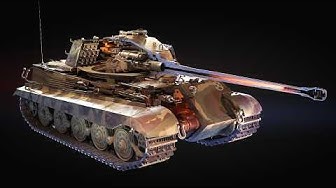
Inside the King Tiger

Inside Massive US Factory Producing Powerful Artillery Shell From Scratch - Production Line

Operation HAMSTER: Wie die Stasi einen CIA-Spion im DDR-Wald jagte | MDR DOK

Uncovering the Secrets of the MiG-15. Project Moola: Stealing the Cold War’s Deadliest Fighter

This Is How The World's Strongest Anchor Chains Are Made | by @Satisfyingtech116

The Ten-Engine Titan: Inside the B-36 Peacemaker, The Cold War’s Largest Bomber

Inside the V2 Nazi Wonder Weapon

15 Oldest Working Machines on Earth (One Never Stopped for 615 Years)

Hitler's Secret Labyrinths | The Underground Factories of the Third Reich
